Places
Places of importance in my life: the homes I lived in, and the neighborhood I grew up in.
Homes
There have been two main homes in my life so far: my parents’ home, where I still lived as of 2025, and my maternal grandparents’ home, which we visited a lot when younger.
Grandparents’ home – 14 Bridge Street, Elsternwick
My maternal grandparents’ house was only about 15 minutes’ drive away from my parents’ house (about 8.1 km going along Tucker Road → North Road → Cochrane Street → Bridge Street), so we spent a lot of time there and I thought of it as my “second home.” An Edwardian-style weatherboard that was built in the 1930s, it was sold in 1997 after Gran had to go into a nursing home, and a developer demolished it and built four townhouses there.I miss the house very much, and dream about it a lot.
Gran and Grandpa moved in with their children (my Mum and Uncle Brian) on 3 February 1941, when the electricity was connected. The house was a small white-painted weatherboard with two bedrooms, a lounge room, dining room, bathroom and kitchen. The bedrooms and dining room had open fireplaces. There was another single-room white-painted weatherboard structure just outside, referred to as the “bungalow”; it was used as a guest house and Uncle Brian also stayed there for many years after his divorce. The single toilet was also in an outhouse – one feature of the place I did not like!
Adjoining the main house was a storage room, and a laundry. There was a large carport at the rear of the property, a garage for Grandpa with a lot of old tools, and an open storage shed that used to house chickens and later stored firewood. The back fence overlooked the Elster Street canal. It was old and becoming run-down by the time Michele and I were born, though that didn’t matter to us then.
The backyard had an old blue-painted Hills Hoist, and a sky-blue metal stool to climb up to hang washing with.
The house was set on a large block on land in an old suburb, with a canal behind it, so there was a lot of room to roam around and explore. The land area was quite large (10,900 ft2 or 1010 m2); a block size unheard of today in suburban areas, sadly.
My family would go for roast dinner and homemade dessert (apple or jam pie) nearly every Saturday afternoon and evening; Gran did the cooking. She had housed boarders in earlier decades – they stayed in the rear bungalow – so she was used to cooking for guests.
A tour of the house
Looking at it from Bridge Street, the weatherboard house faced east to the front, west to the rear and north on its right. A white picket fence bordered the front yard, and a black wrought-iron gate to the left served for foot entry, and a long driveway on the right/north side led to the carport down the back. The house used to be roofed with corrugated iron, but this was later replaced with terracotta-colored tiling. White-painted fencing divided up the front yard, bungalow and backyard.
Paving was ashpalt at the front; the driveway was gravel. The raised verandah at the front of the house was concrete, which was cool on hot days. The front door was painted grey. The windows on either side of the door had simple stained-glass inserts; a nice decorative feature.
The front garden had various shrubs and plants. There was a camellia bush and a pink-and-white-flowering magnolia tree on the front lawn. A lemon tree grew down the left/south side of the house. A large plum tree grew in front of the bungalow, and an orange tree in the backyard. A large creeping yellow thornless rose bush grew on the side of the shed (Dad later transplanted some of this to our front yard). Gran liked gardening, so the garden was well-tended.
On entering, there was a long main hallway extending west to the kitchen at the end. The ceiling was quite high. To the left and south was Mum’s old bedroom, and the next room down was the living room. To the right and north was the main bedroom – Gran’s – then the dining room further along. The bathroom opened off from the dining room, but the sole toilet was in a small separate outhouse room outside; it was quite a trek to get to it!
Fireplaces were in all four rooms. The living room’s one was replaced by a gas heater; both bedrooms still had a fireplaces, but these were not used. The one in the dining room was still in use.
A storage room and laundry lay in two separate rooms adjoining the house to its west. The laundry had another shower. There was a storage area for firewood and briquettes.
The bungalow was a small separate weatherboard building consisting of a bedroom and some storage. I rarely went in there as Uncle Brian moved in after his divorce. In earlier decades boarders stayed there.
Down the back was a carport and garage, where Grandpa kept all his old work tools. A firewood storage shed lay next to the back fence.
Elster Street canal ran though a concrete open drain beyond the house, at the bottom of a slope, out into Port Phillip Bay. (We could walk to the beach, around 20 minutes or so westwards.) My sister and I liked to exit the back gate and go exploring along the hill sloping down to the canal (the house was on the north side of this).
Parents’ home – 93 Tucker Road, Bentleigh
My parents moved into their first home in Bentleigh in May 1969, paying $11,000 for the white weatherboard. It had been previously lived in by two other families (the last being the Robinsons) and was a post-WW2 “spec” home, one of the first in the street to be built. Shortcuts were taken in its construction as people kept stealing the building materials which were in short supply then! It was poorly insulated – an unfortunately common feature of Australian homes – and thus the interior was hot in summer and cold in winter. It originally had two bedrooms; a third was added on by one of the previous occupant families.
Dad undertook most of the maintenance inside and out, and remodelled some of the interior rooms. We lived there until 2025, when my elderly parents could no longer live safely in the by-then old and deteriorating house, and had to move into residential care.
Gallery
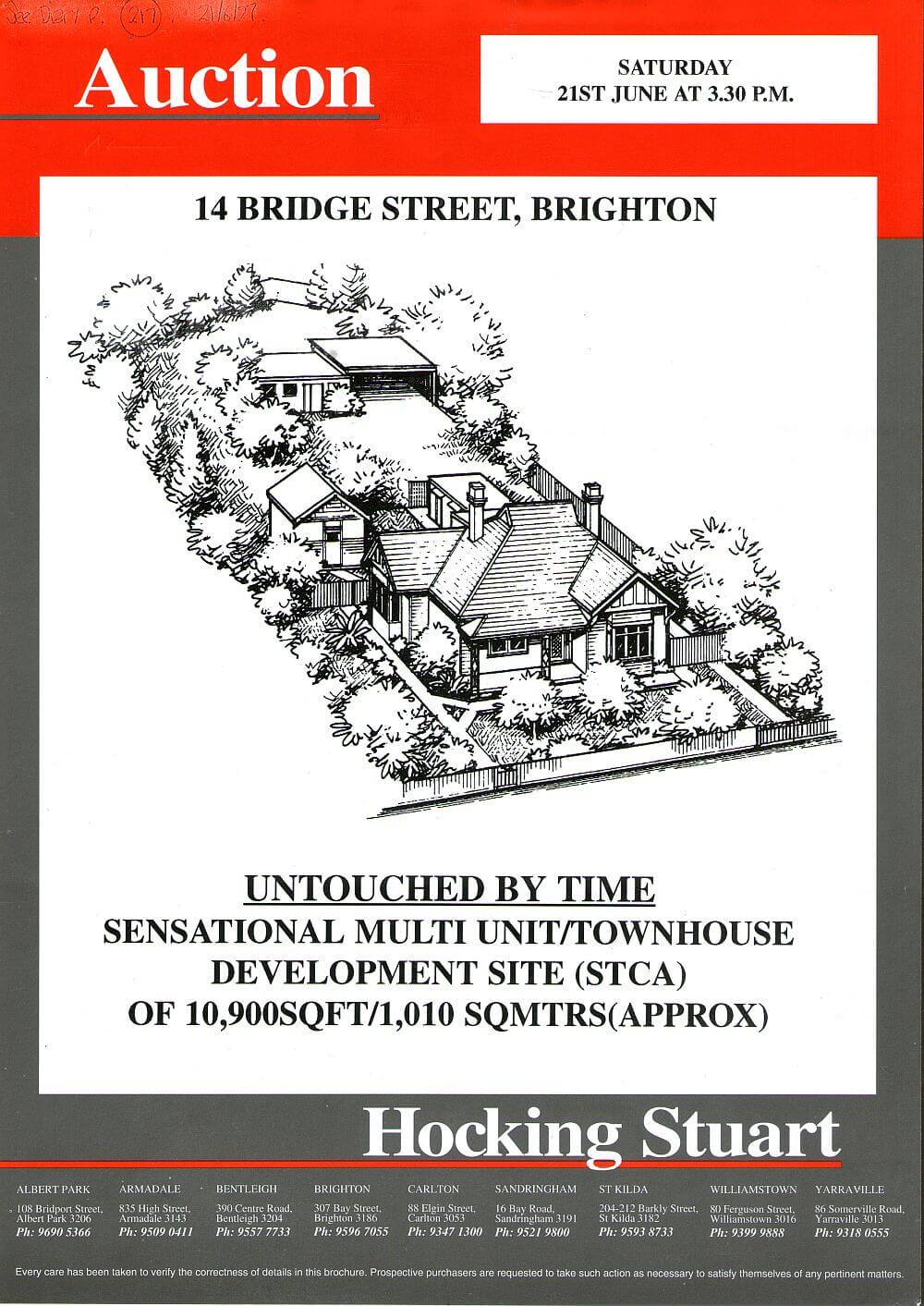
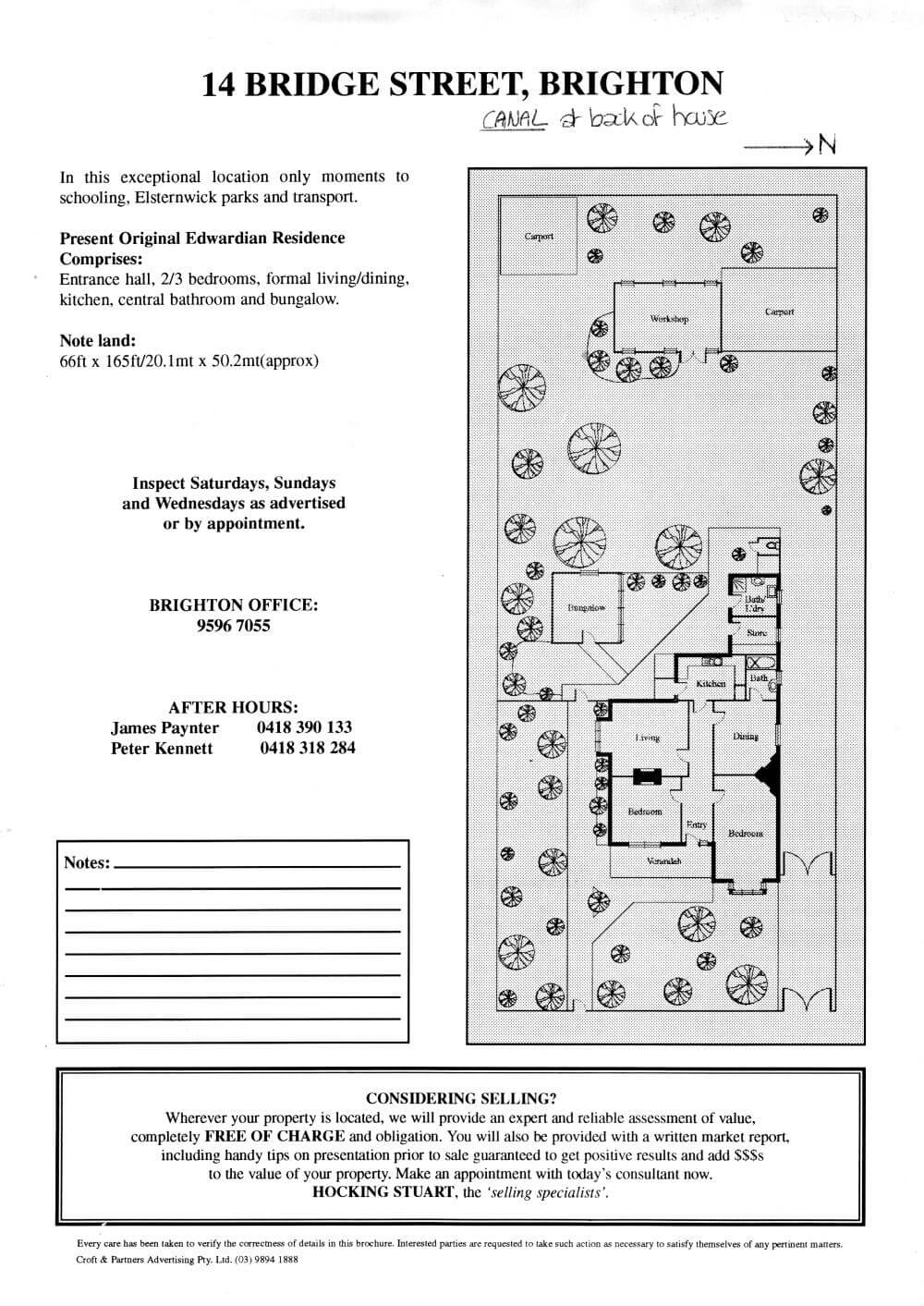
1997 auction brochures for 14 Bridge Street (click for larger images)
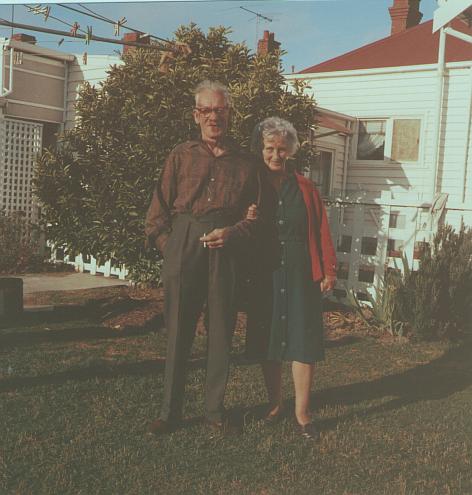
Grandpa and Gran in the backyard of their home, December 1967 (click for larger image).
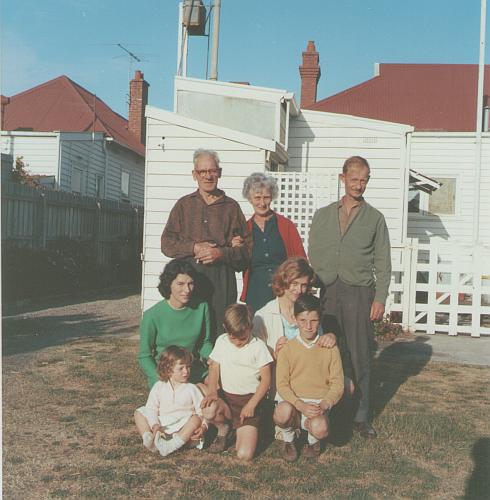
Heather (on Aunty Bae’s lap), Grandpa, Gran, Uncle Brian, Warren, Mum and Colin in the backyard of 14 Bridge Street, December 1967.
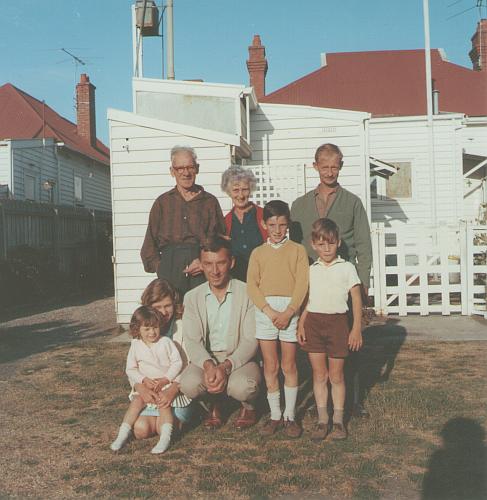
Heather (on Mum’s lap), Dad, Grandpa, Gran, Colin, Warren and Uncle Brian in the backyard of 14 Bridge Street, December 1967.
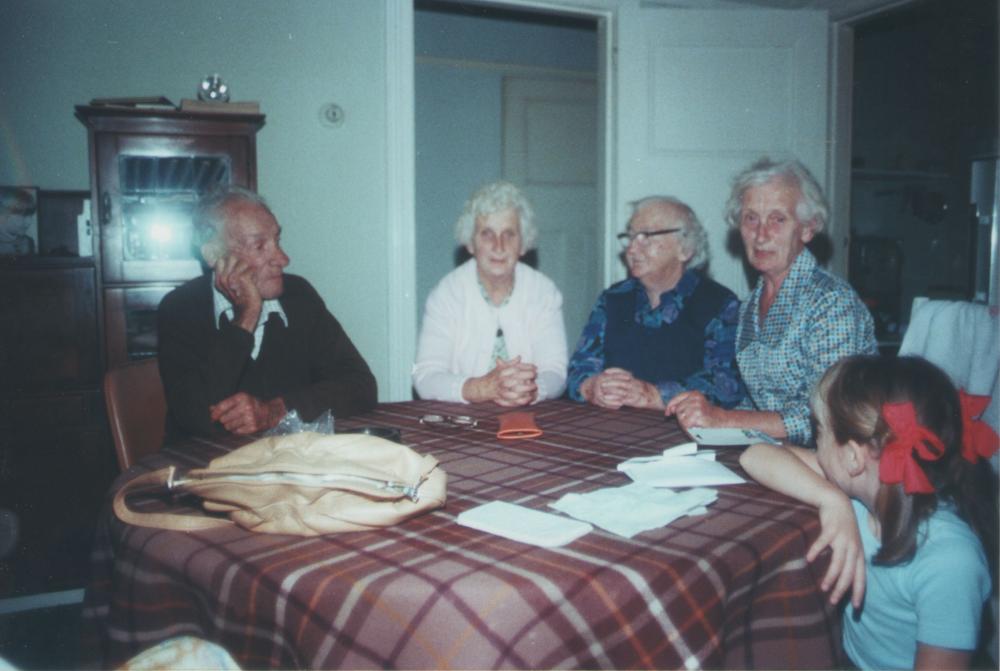
Family gathering in the dining room, 1981 – click image for larger. Here can be seen the round table (wooden table) and chairs, and old bookcase. Left to right: Grandpa, Nell, Aunty Day, Gran, my sister Michele (red ribbons). This was when Gran’s generation, born in the late 1800s, were still alive if elderly – seem like happier times now, as I was young.
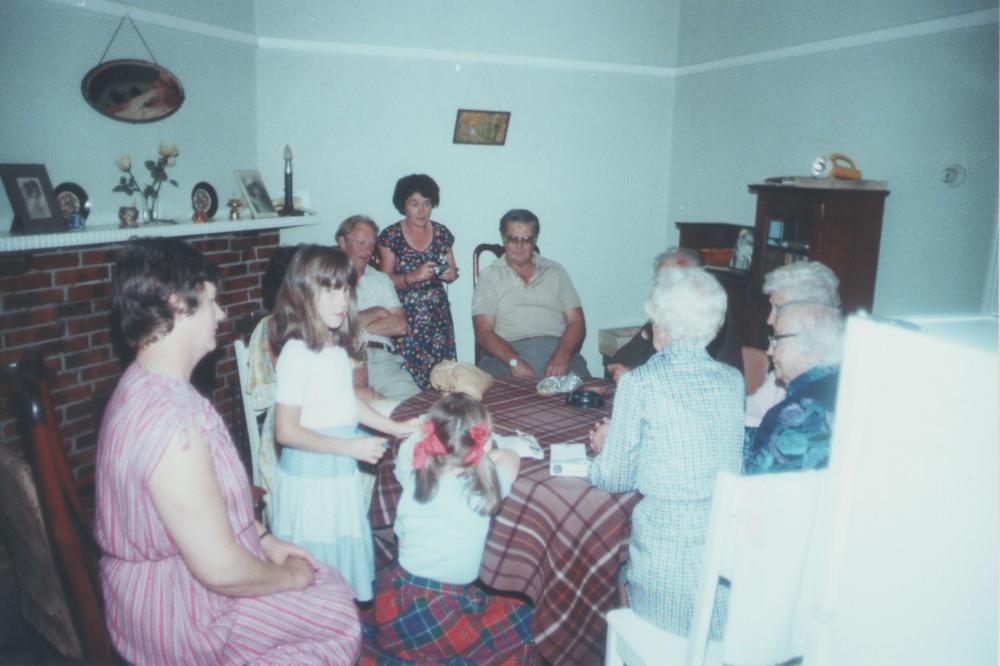
Family gathering in the dining room, 1981. The fireplace is visible here. From left: Mum, Suzy (me), Dawn, Uncle Brian, Pat, Ken, Grandpa (partly hidden), Gran’s sisters, Gran.
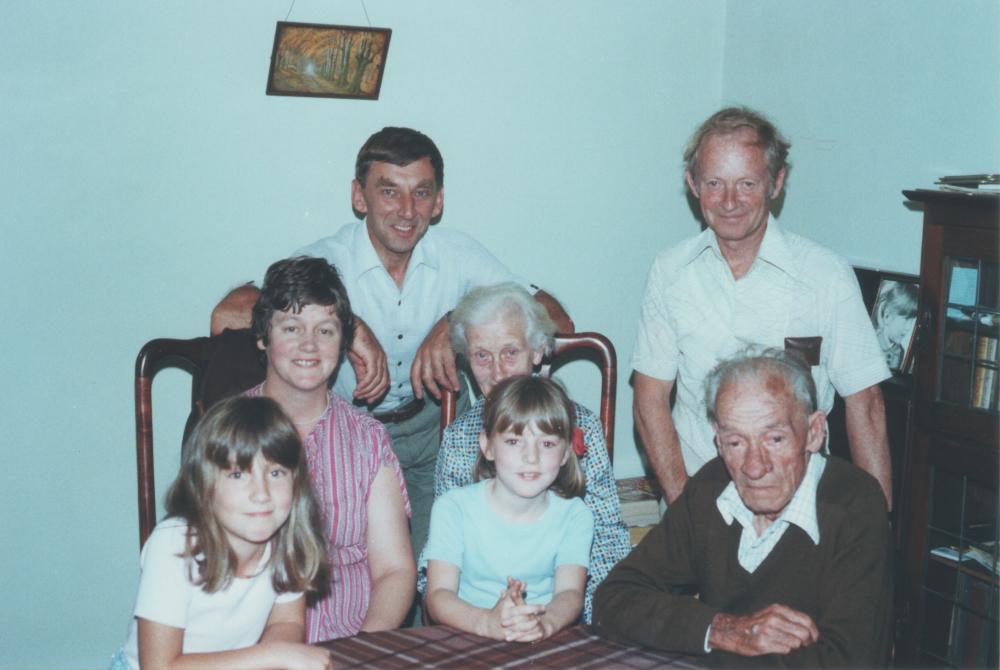
Family gathering in the dining room. From left: Suzy, Mum, Dad, Gran, Michele, Uncle Brian, Grandpa.
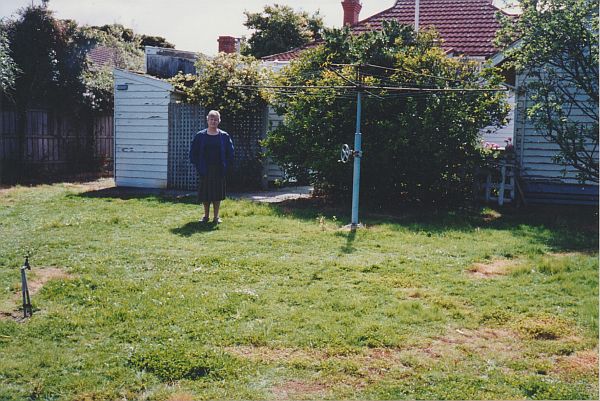
Mum in the backyard, looking east, Friday 17 October 1997, during her and my last visit there. The house had been sold and was demolished later.
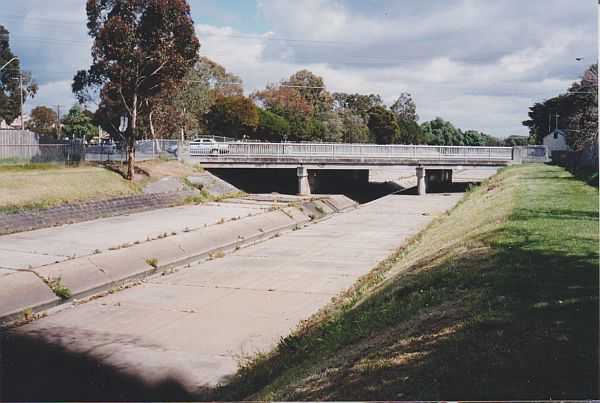
The canal (Elster Street Drain) looking west, behind Gran’s home, 17/10/1997.
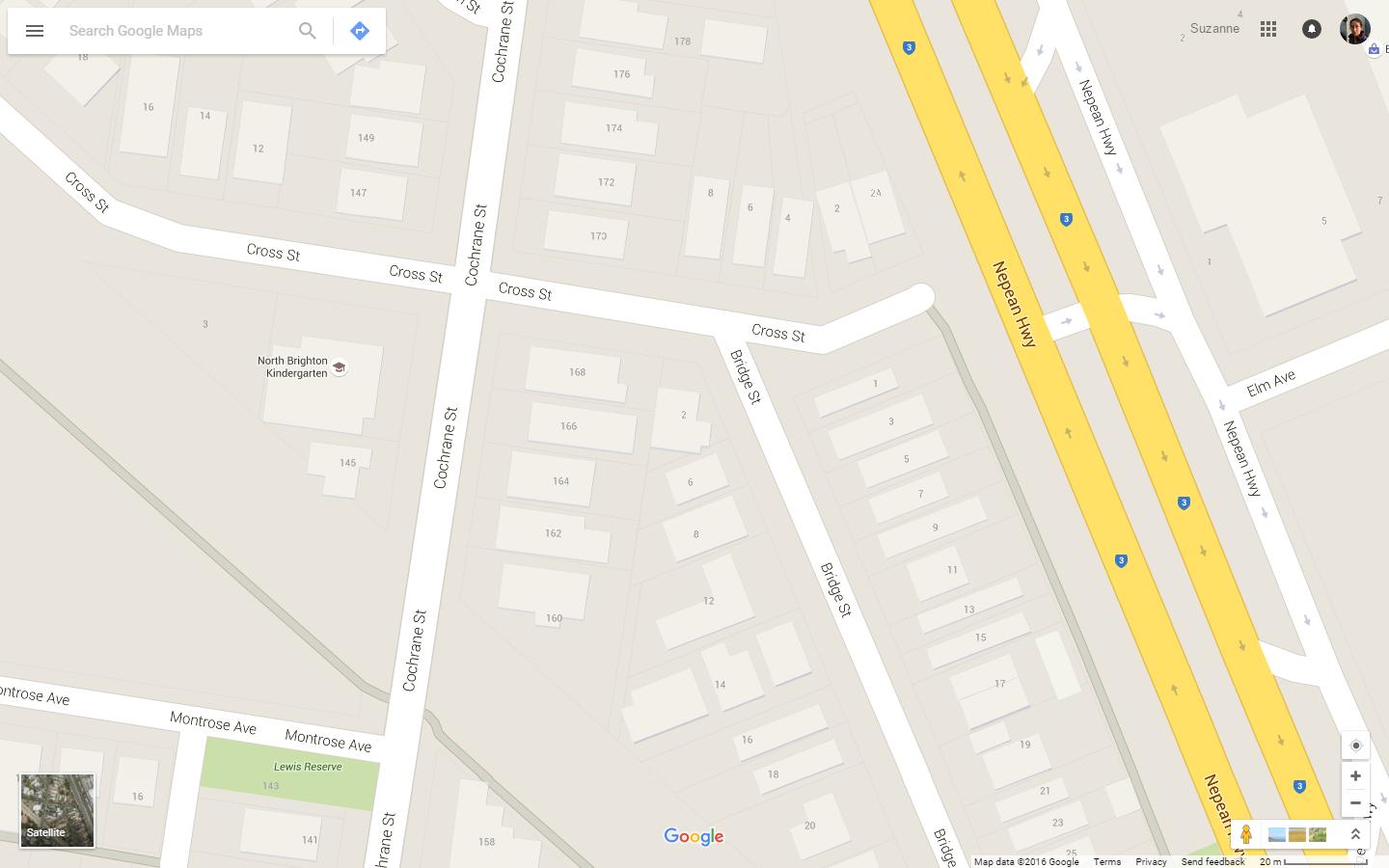
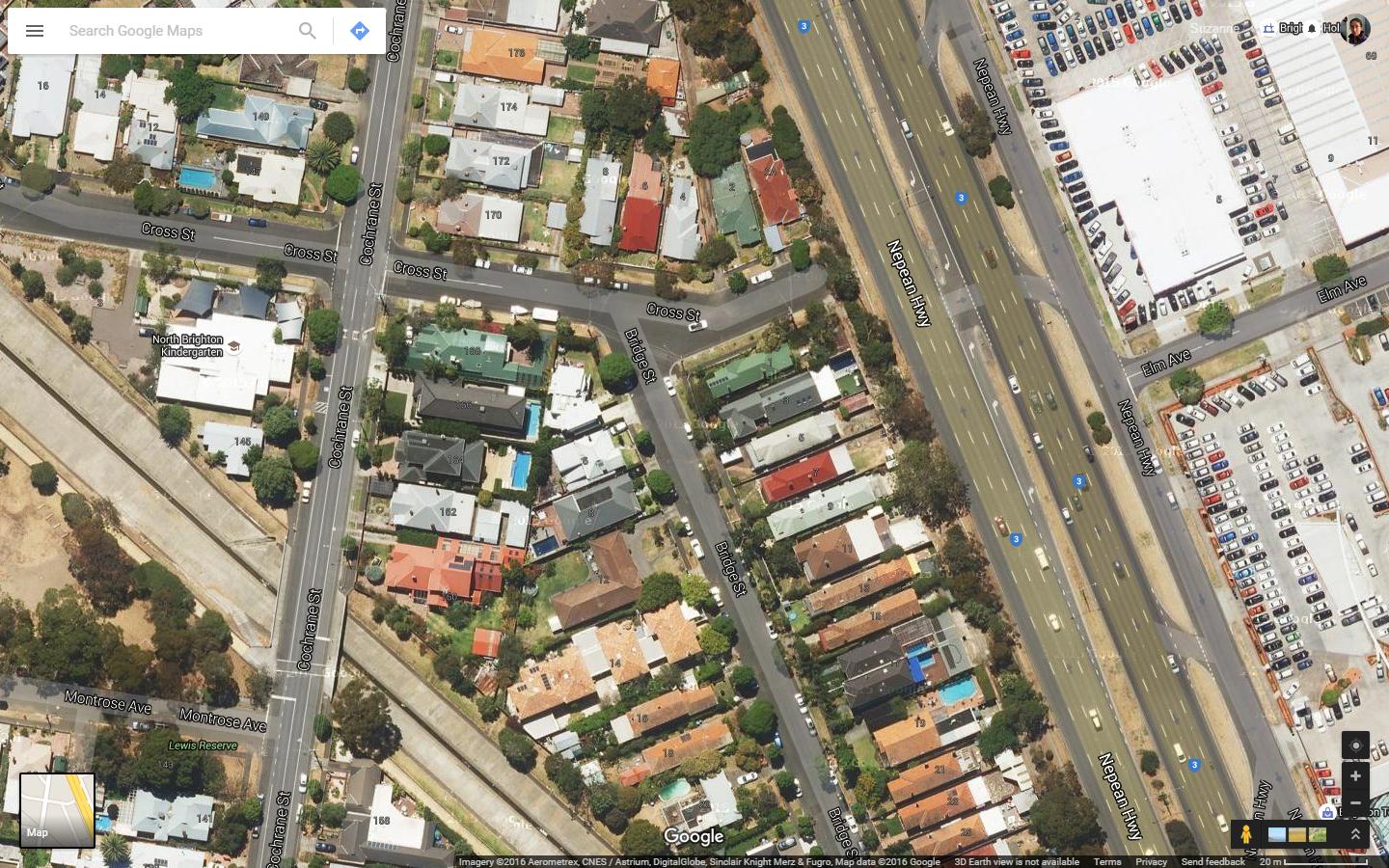
Screen captures of Google map and satellite views showing where 14 Bridge Street was, taken sometime between 2010-2016. If only Google Maps had existed before 1997!
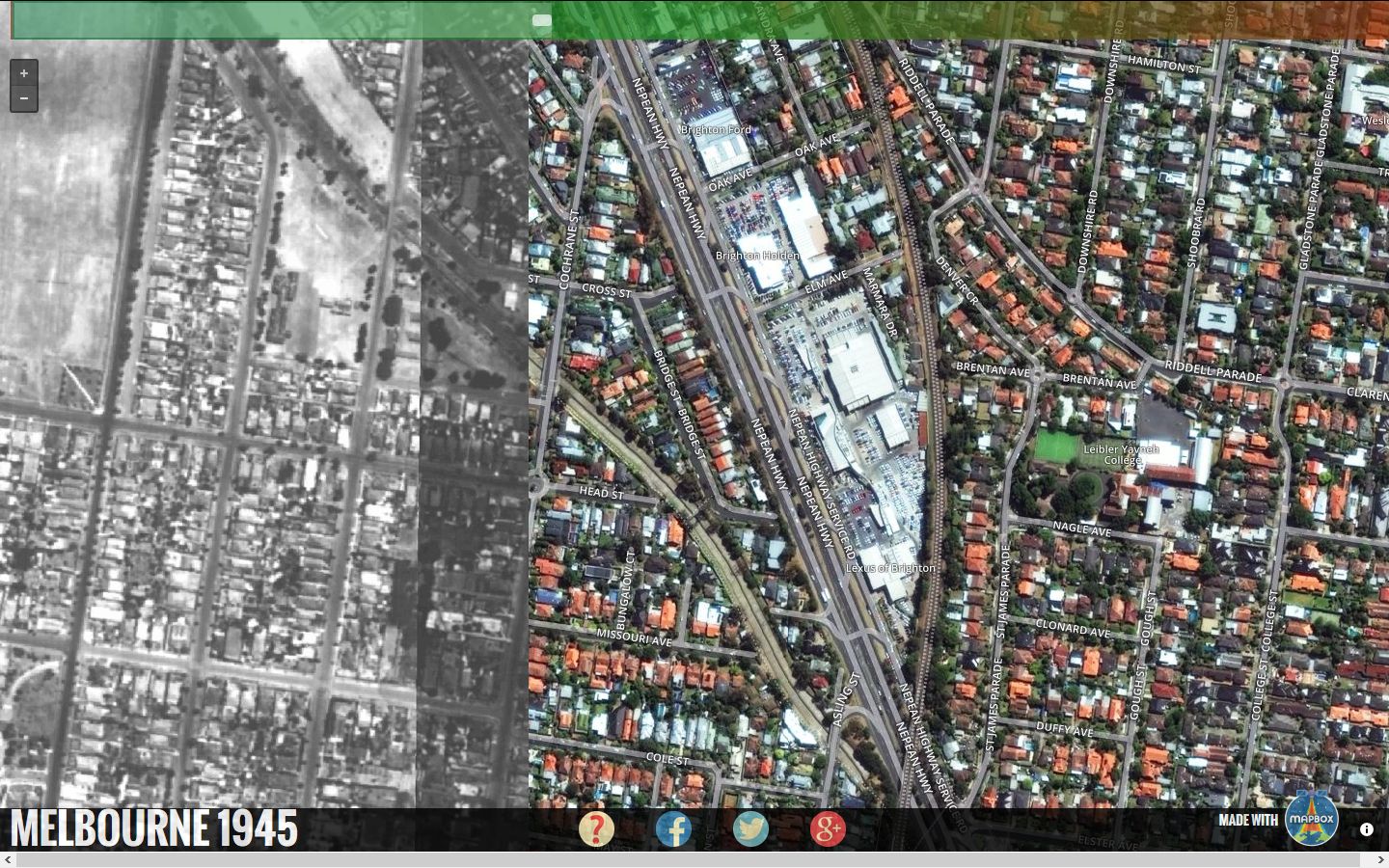
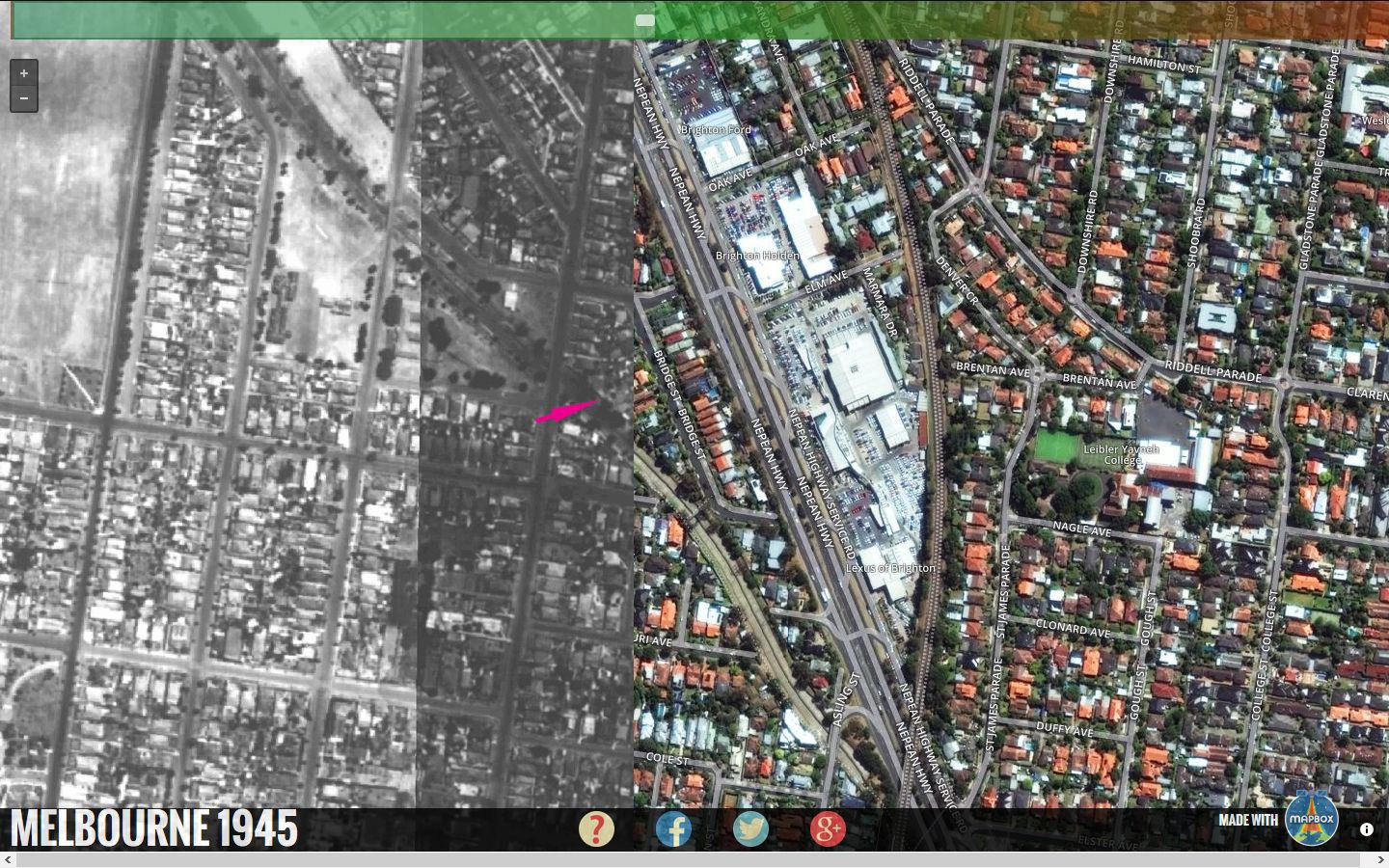
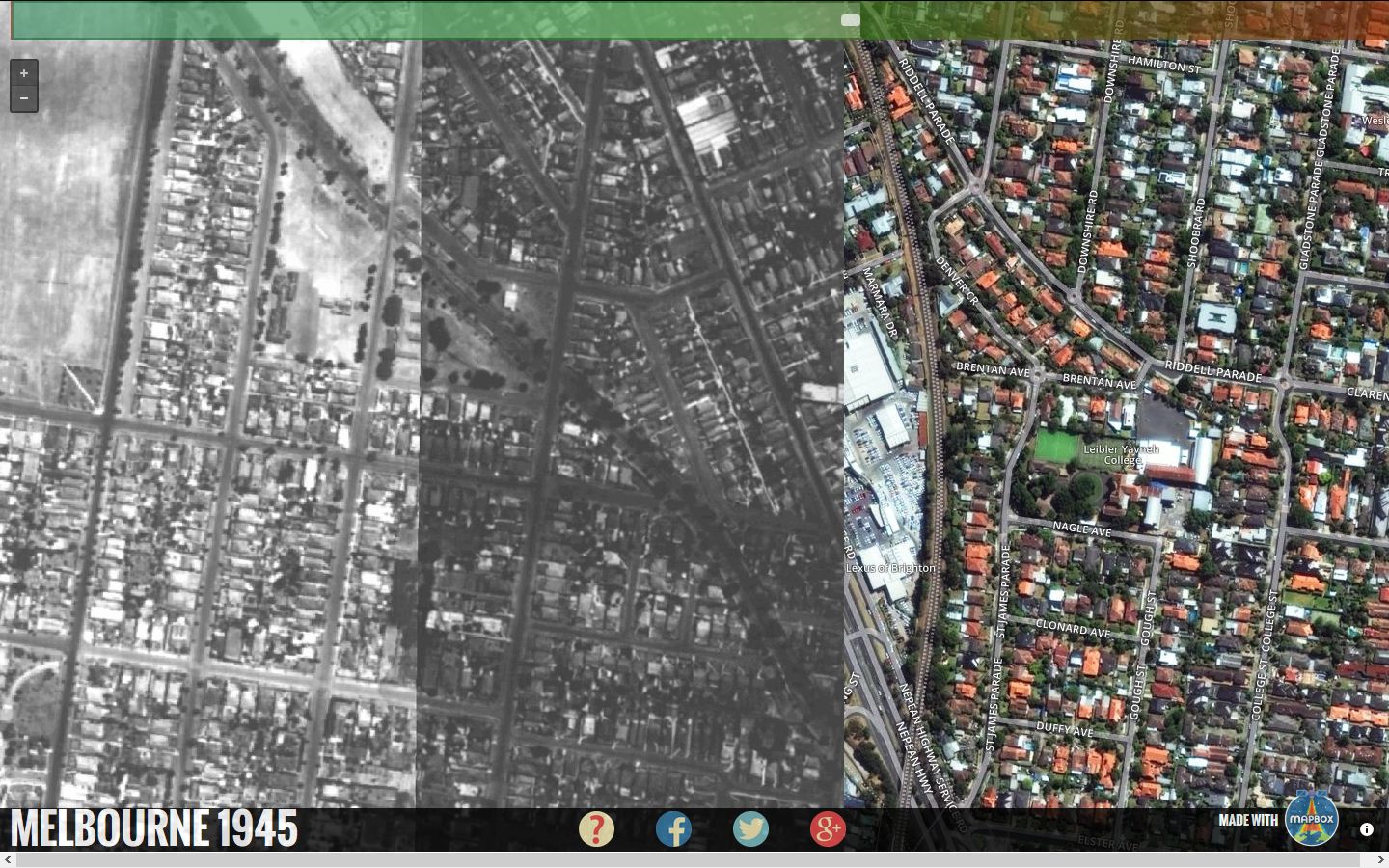
14 Bridge Street Elsternwick, Melbourne 1945 and in 2014 (1945.melbourne, from the Melbourne 1945 Photo-maps at the University of Melbourne) – mentioned in my 1/3/2015 Journal.
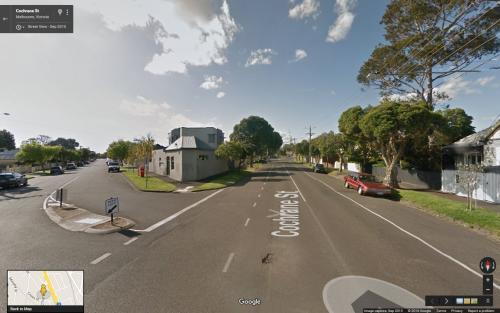
A milkbar used to be in the triangular building on this intersection corner (Cochrane-Cross Streets), just a few minutes north of Bridge Street (now it is apartments, as too much else is). Gran and I used to walk there sometimes. Once (early 1980s) we were talking about something on the way back, and I mentioned Grandpa (not long dead then), and she said that she missed him and dissolved into tears.
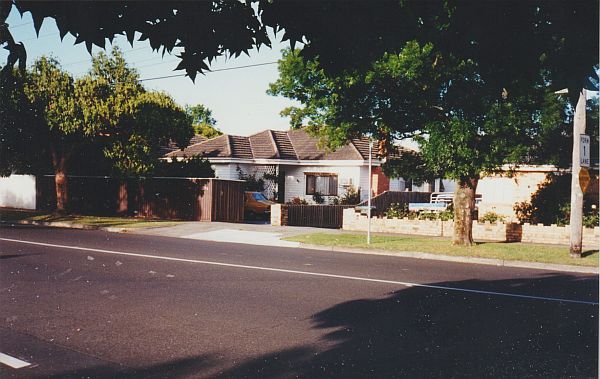
Parents’ home, 19 October 1997, from across the street, looking west.
More home photos can be found on my Photos page.
Community housing – Unit 109, 1 Halcyon Walk, Brighton East
In 2026, my parents’ home had to be sold to help pay for Mum’s residential care. I had lived in it by myself since my parents were put into care in April 2025 (15/4/2025 Journal entry). Despite the dire housing situation, a place was found for me by Angeline of Better Health Network – community housing provided by HousingFirst, a not-for-profit organisation. As housing opportunities were scarce, I agreed to apply (I had no other options as, being on a JobSeeker payment, I could not afford the high rents demanded in the private market). So, with some trepidation as to how I would afford the ongoing costs (I would pay a third of my allowance with rent assistance, plus water and electricity utilities), I signed up to a tenancy agreement on 31/8/2026 and moved to my first-ever new dwelling on 1/9/2026. The small, one-bedroom flat had been lived in before, but was in far better condition than my dilapidated parents’ home. (Journal entries: 24/8/2026, 27/8/2026, 1/9/2026, 3/9/2026.) Photos, taken 3/9/2026: main/dining/living room, front door/entrance and kitchenette, bathroom (washing machine on right), bedroom, bedroom wardrobe, bedroom window looking onto balcony, west-facing, first-floor balcony. A panorama taken 9/9/2026.


Leaving the familiar place in which I had lived all my life up to then was painful, and almost surreal; subconsciously, I could not believe I would never return to my childhood home, or walk the streets around it, again. I felt very unsettled in my new place, as though it were a temporary hotel stay until I returned to my true home.
My neighborhood (Bentleigh)
Up to 2026, I had lived in the same suburb and house all my life: my parents’ home at 93 Tucker Road Bentleigh, Melbourne, Victoria. Consequently my neighborhood was very familiar to me and could certainly call myself a true local. Here I will write down some notes and observations.
The neighborhood was constructed from the 1940s onward and initially consisted of mostly single-storey detached houses set on their own block of land, with plenty of room for a garden and backyard. (Our house happened to be the first constructed in the area!) It is close to shops and public transport (bus routes and the Frankston train line), and is around 30 minutes’ train ride to the city. It was a reasonably pleasant middle-class place to live and grow up in. Snobs deride the suburbs, but I never saw anything wrong with them.
“Little Shops” – the Tucker Road shops
The Tucker Road shopping strip – I don’t know if it ever had a proper name, but I used to call it the “Little Shops” – was on the block of land south of us, corner of Tucker and Patterson Roads, and was a community focal point for everyone nearby.
There were two milk bars; one at each end of the strip. The one at the south end moved to the shop next to it when the corner was sold, then to 75 Tucker Road, but that closed also. The south corner shop reopened as a café (Tucker Road Coffee Merchants) in 2013 and proved to be successful, but was no useful replacement for the previous milk bar, where locals nearby could buy necessary groceries if needed quickly. The newsagent (79 Tucker Road) that was there for decades had its last trading day on Saturday 19 May 2012, closing down to make way for 4 apartments. The Tucker Road Pharmacy, run by Natalie Kopas, has been there for decades and was still busy at this last time of writing. Other shops have come and gone.
From my 29/11/2016 Journal entry:
The milk bar at the corner of Patterson and Tucker Roads appears to have closed in the last couple of weeks; the Chinese-looking man who operated it for a few years seems to have decided to sell up and has been putting out shelving and such on the pavement. A pity as the milk bar has been there for decades, though it has become neglected in the last decade or so; milk bars are generally dying out, unable to compete with supermarkets. Being open 7 days a week for most of the day is not much of a working life.
I vaguely remember going to a children’s party at the back of the milk bar when young, when it was owned by a woman; it had a variety of owners over the years. There is still another milk bar further up, owned by another Chinese couple (I think?); that one used to be on the upper corner.
What used to be the newsagent there (closed in 2012 – 3/7/2012 entry) is still closed up with nothing done to it. At the moment on the shopping strip (street numbers 183 to 83 Tucker Road) there is the Tucker Road Coffee Merchants on the south corner (doing good business) with apartments above it, a closed shop, the Tucker Road Pharmacy (been there decades, still going strong), a Fish and Chips shop, what used to be the south corner milk bar, some sort of solicitor, a hairdresser and salon (Studio 77), the closed newsagency, a pizza shop, a new cookies and coffee venture (Secret Cookies), another new shopfront not yet opened with apartments above it, and the recently-closed north corner milk bar.
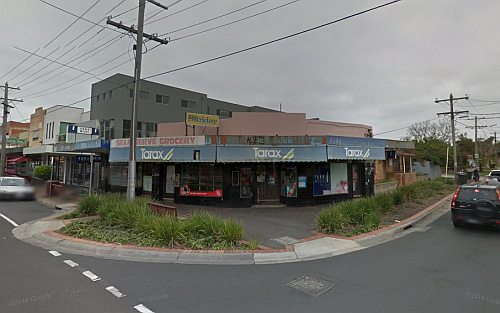
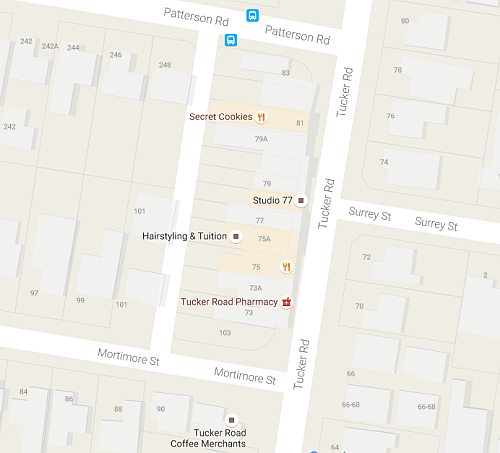
Google streetview of Patterson-Tucker Rd corner milkbar, June 2013, and a Google Maps view of the Tucker Road shopping strip
From my 7/9/2017 Journal:
The second milk bar at 75 Tucker Road has now closed, quietly (no announcement), so after decades there is no old-fashioned milk bar at the corner shops. A Chinese lady ran it; they seemed to have finished there (perhaps they got their permanent residency visa after 2 years running a business). Tucker Road Coffee Merchants at the top corner now sells newspapers, I noticed today, and Secret Cookies sells bread and milk. The north corner is under construction where the Good Times Milk Bar will be.
Tuesday 10 October, 2017: Studio 77, the hairdresser and beauty salon (painted pink exterior walls), has closed this week – just a handwritten note on the door saying they had closed. Don’t know why; they had been there for years.
Other local shops now gone
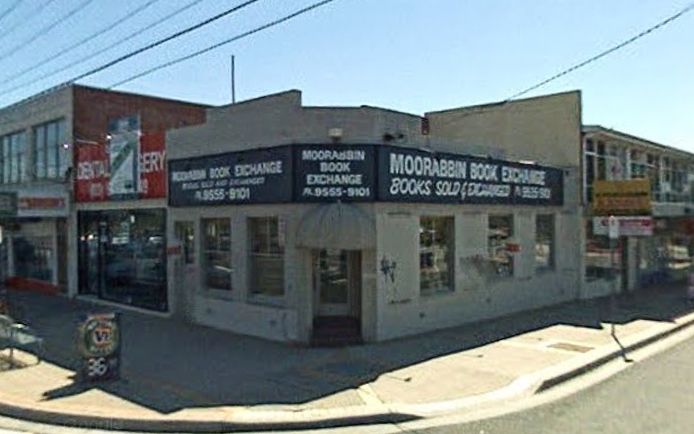
- Moorabbin Book Exchange. Used to be in a shopping arcade on Nepean Highway in Moorabbin, then moved to the corner of Station Street and Central Avenue. Closed after 2007 or so. Google Streetview archive has a photo of it from November 2007.
- A bicycle shop in East Bentleigh, on East Boundary Road. Bought my first bike helmet here in the late 1980s. Closed sometime in the early 2000s.
- A record shop in East Bentleigh on Centre Road. I bought a lot of records, cassettes and singles there in the 1980s and 1990s but the advent of the Internet and readily available digital downloads inevitably saw it close, sadly, sometime in the early 2000s, replaced by a cheap variety shop (like too many local shops).
Next-door neighbors
Our immediate next-door neighbors are in #91 Tucker Road to the south of us, and #95 to the north. A family has lived at #91 since the late 1990s; they have 3 sons and (I think) twin daughters, who are now approaching adolescence. We rarely speak to our neighbors so I don’t know much about them. The mother smokes and has a husky voice; the man has a loud voice and is boistrous. They are not bad neighbors. I don’t know their names (I saw a letter addressed to them once, but neglected to write their surname down).
John and Tommasina Taranto live at #95; they moved there in the mid-1990s. Before them, Mrs. McDougall had lived there since my parents moved in; she was elderly and I vaguely remember visiting her house a few times. She grew nice strawberries. When she moved out, the Tarantos knocked down her 1950s brick house and build a larger modern one-storey. The Tarantos do not have children.
Observations
From the summit of Pollina Street, a street diagonally opposite my parents’ home, I can just barely discern the blue sihouettes of a mountain range to the west, across Port Phillip Bay. I think they are the Brisbane Ranges (at the western end of the Great Dividing Range, near Mount Macedon), around 70 km away in a straight line! I can only see them when the day is clear – I go that way sometimes on my Sunday morning walk. Mt Macedon can also be seen from other locations when driving in Bentleigh, such as along Tucker Road to the north of us.
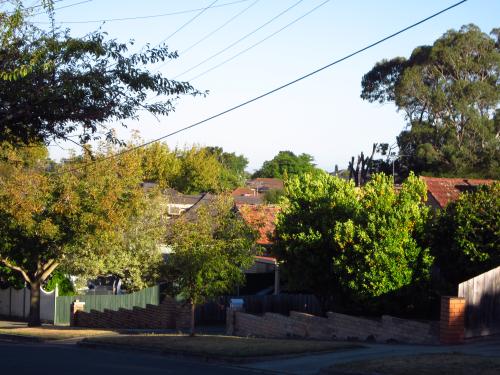
A bluish haze above the treeline to the middle and right of the photo (westwards) are the Brisbane Ranges – they are faint and hard to discern; I haven’t yet managed to get a clear photo of them.
Neighborhood notes
Here I will write down observations of people and places.
- There used to be an old woman who would walk to the Patterson-Tucker Road shops from somewhere east, along Mawby Road; she pushed a shopping cart with a hole cut in the front for her little dog (a terrier mix) to ride in. She even got a feature on the front page of the local newspaper in the early 2000s (I wish I had cut it out!). I last saw her walking along Corolla Avenue, or in the nearby streets, in 2011, but not since then. Perhaps she had to leave and went into a nursing home?
- An elderly lady who lived at 66 Mortimore Street in a somewhat rundown house moved out – or had to move out – in 2015, and the house was subsequently rented out.
- Nancy and her husband still live diagonally opposite us at 92 Tucker Road; they have been there since Mum and Dad moved in, in 1968. They are visibly older, though.
- A middle-aged woman lives at 26 Lahona Avenue in a rundown weatherboard house. She seems to live by herself; I have seen her occasionally when walking past.
- An old woman has been living at number 80 Tucker Road for many years; she is stooped with short brown hair. An old car has been parked in her driveway; it has not been driven in many years. I have seen her occasionally walking up the footpath; she looks increasingly frail. As of 2016, it looks like someone else has moved in.
- A murder took place in nearby London Street on 27 April 2016; a domestic dispute where a 44-year-old man stabbed his 74-year-old mother after an argument. (“Homicide squad investigates as woman's body found at home in Bentleigh”)
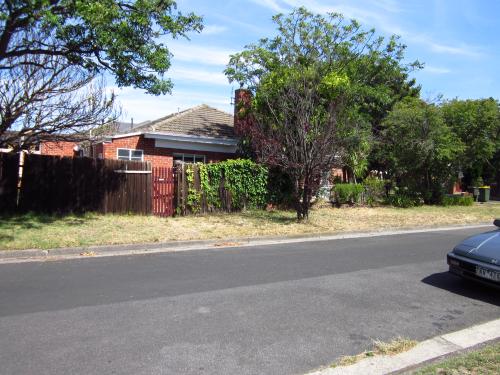
66 Mortimore Street (taken 18/1/2016).
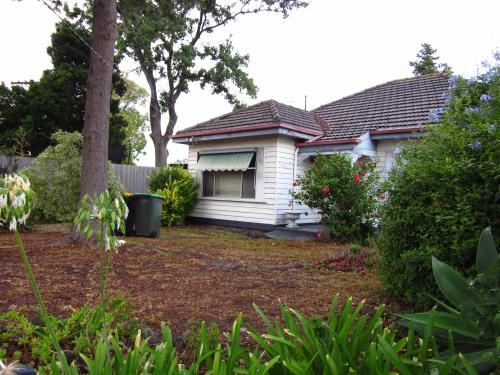
26 Lahona Avenue (24/1/2016).
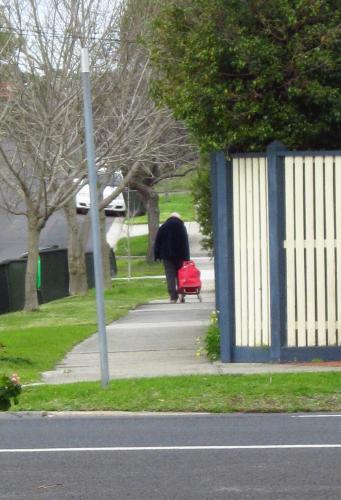
I have seen this old lady with a jeep walking up Pollina Street (opposite my parents’ home) occasionally. Wonder who she is and where she goes? Photo taken 25/7/2016.
Street trees
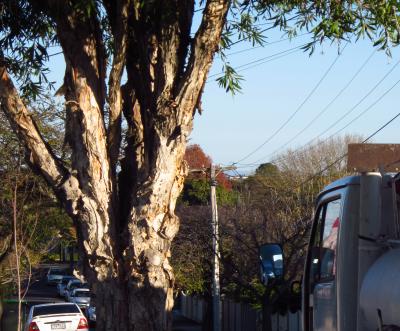
My favorite Glen Eira street trees are the Claret and Golden Ashes, Liquidambar, Paperbark and Flowering Plum trees, planted decades ago. Unfortunately these are all designated “Problem trees” in a 2007 Glen Eira Street Tree strategy document and are being systematically felled and replaced with different varieties, none of which are as large or showy. They have been familiar landmarks for decades, so their removal is nonetheless distressing, as with the loss of old houses.
The table below describing these trees is reproduced from the document (there are also other species similarly targeted) – I have linked to Wikipedia articles describing the trees.
| Problem Trees Species | Recommended Replacement Species | |||||
|---|---|---|---|---|---|---|
| Species | Common Name | No. | Undesirable Characteristics | Replacement Species | Common Name | Benefits |
| Fraxinus excelsior ‘Aurea’ | Ash | 576 | Aggressive Roots / Infrastructure damage / Rapid decline and dieback/suckering habit |
|
|
|
| Liquidambar styraciflua | Sweet gum | 579 | Aggressive Roots / Infrastructure damage/ Suckering nature of roots | Acer platanoides | Norway Maple |
|
| Melaleuca sp. | Paper bark | 6338 | Aggressive Roots / Infrastructure damage Issues with shed leaves/debris | Tristaniopsis laurina | Water Gum |
|
| Prunus | Flowering Plum (pink blossom, red leaves) | 4819 | Short life / Poor branch and stem attachment / Soft wood and rapid decay development | Acer platanoides | Crimson Sentry (red leaves) |
|
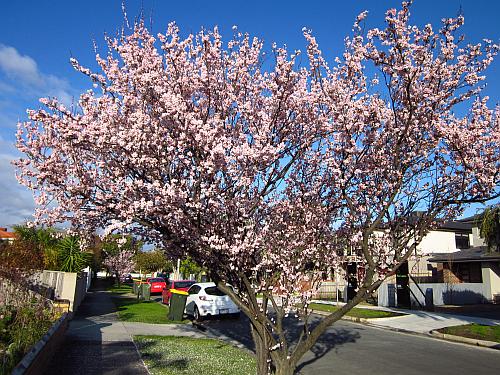
Cherry blossom lining Fairbank Road, Bentleigh; this variety has red leaves (17/8/2015)
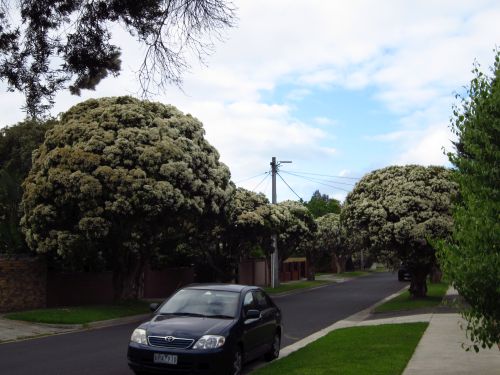
Paperbark trees in bloom lining Harper Avenue, East Bentleigh (15/11/2015) – one was felled in the week beginning 7/2/2016
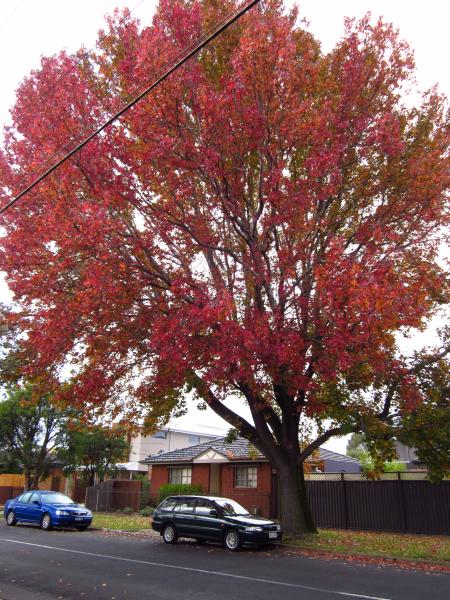
A particularly large and magnificent liquidambar with Autumn foliage in nearby Mawby Road (outside 62 Tucker Road) (11/5/2014) – I fear this will be felled some day. The street has many of these which form a shady canopy overhead in summer – but they are being targeted for removal.
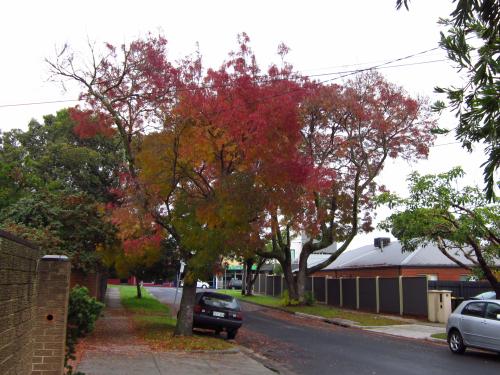
Colorful Autumn Claret Ashes in Surrey Street, Bentleigh (11/5/2014) – one behind the foreground one was felled in 2015.
Updated: 11/9/2026